
Let us make your dream vacation in Palawan a reality!
Welcome to D’Palawan Travel and Tours: Your Travel Assistant to El Nido, Coron, San Vicente (Port Barton & Long Beach), Balabac, and Puerto Princesa Underground River
Welcome to D’Palawan Travel and Tours—your gateway to exploring the breathtaking beauty of Palawan, the Philippines’ last ecological frontier. Nestled on this paradise island, our local travel agency is dedicated to providing you with unforgettable experiences that showcase the best of Palawan’s natural wonders. Allow us to help you explore the natural wonders of Palawan, where every journey is a discovery, and every destination is a paradise waiting to be explored. Book your Palawan adventure with us today and create memories that will last a lifetime.
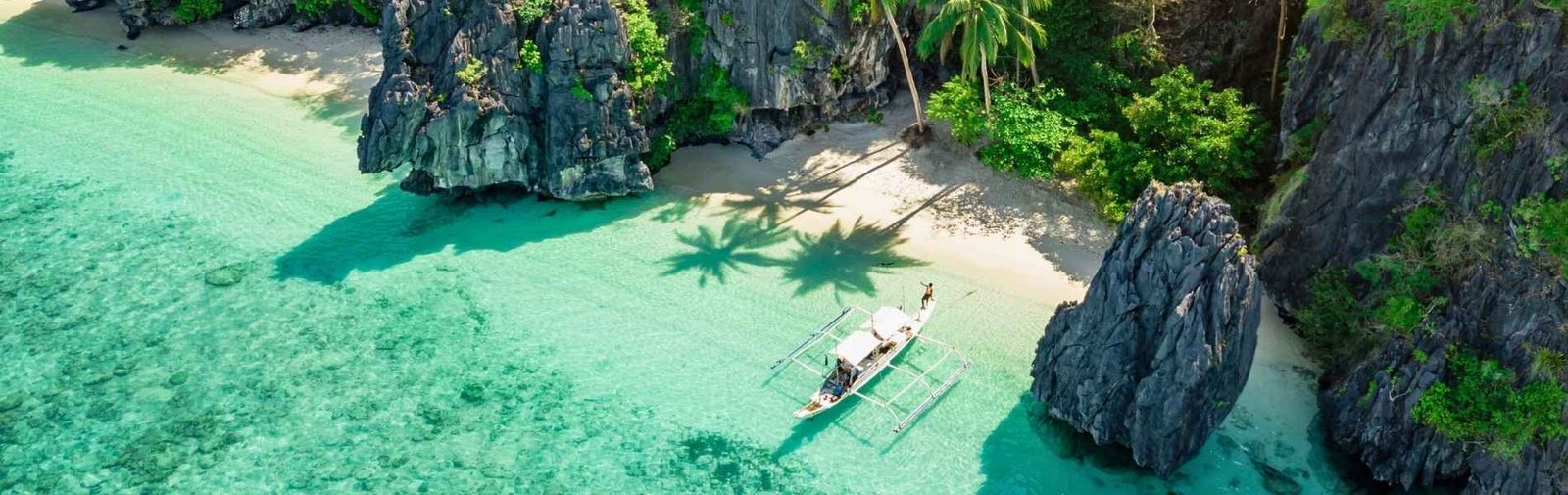
El Nido
Beaches & Lagoons
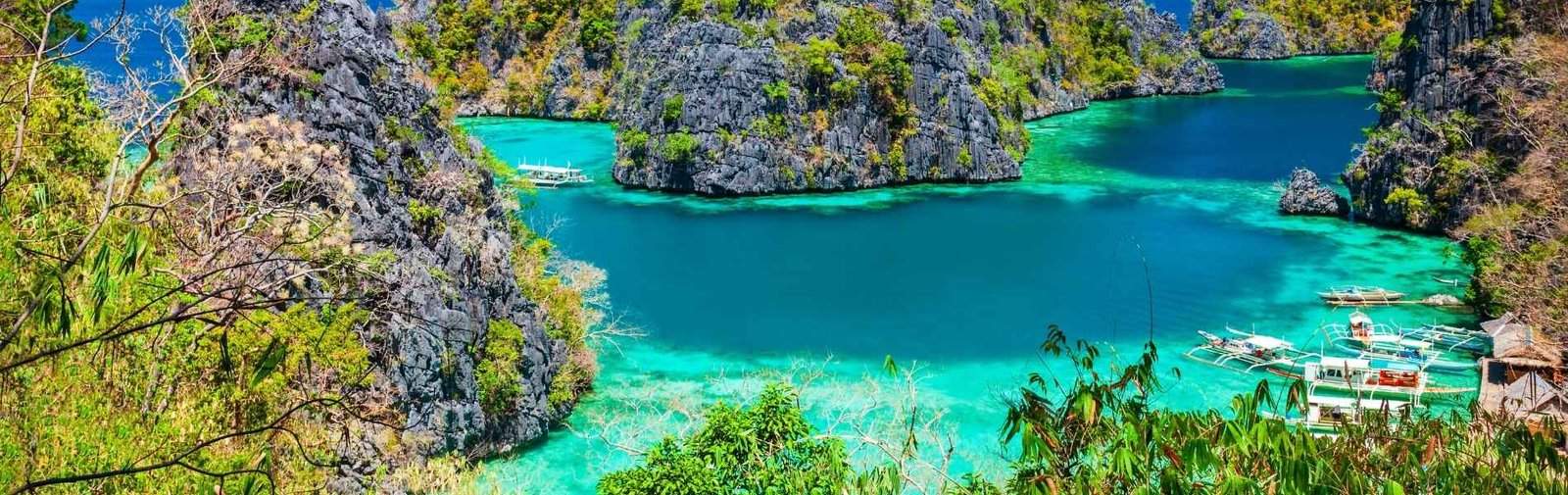
Coron
Beaches & Shipwrecks
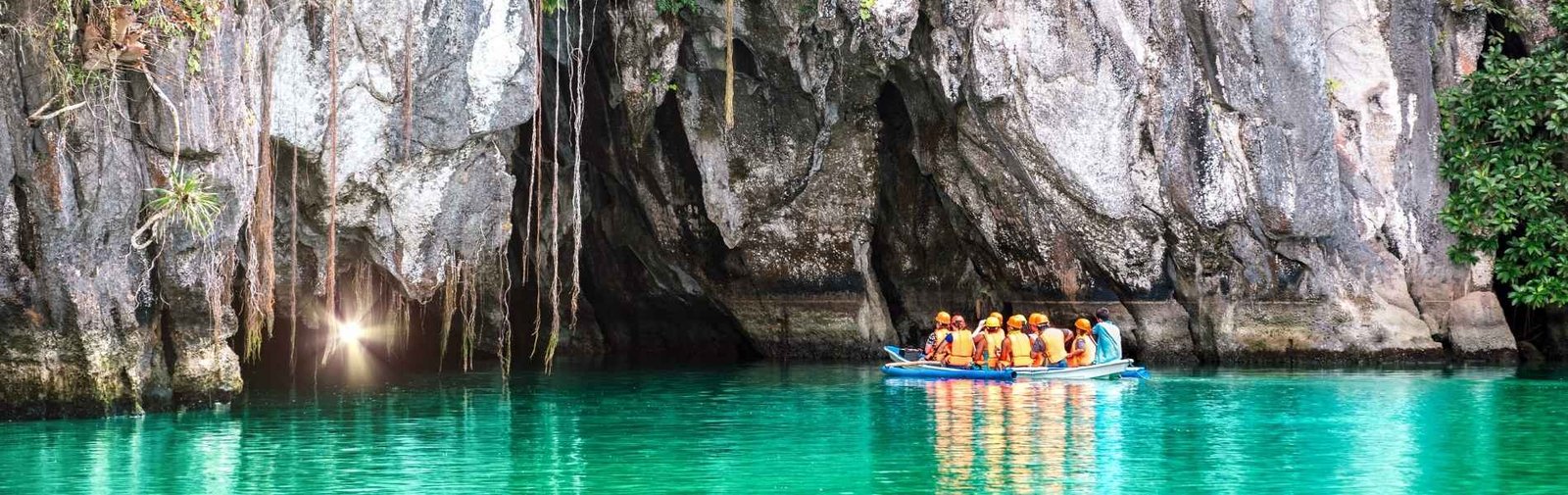
Puerto Princesa
Underground River
Balabac
Island & Beaches
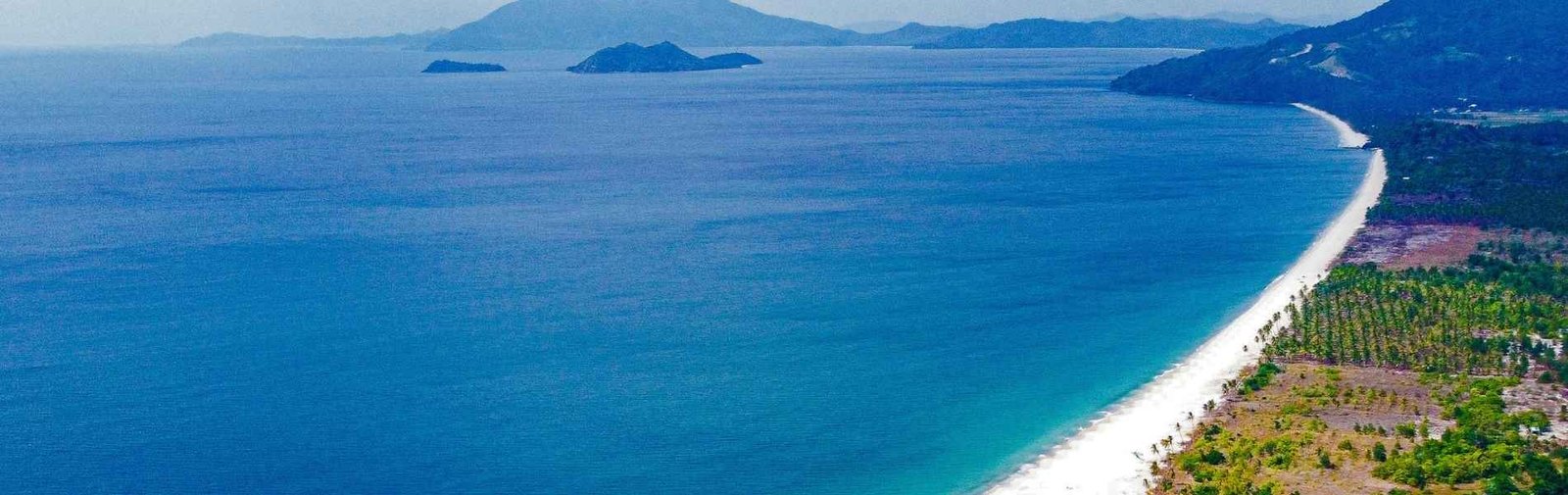
San Vicente
Beaches, Reefs, Turtles & Overlooking Spots
Nestled in the heart of Palawan, D’Palawan Travel and Tours stands as a premier local travel agency dedicated to providing exceptional travel services. As a trusted gateway to the pristine beauty of Palawan, our mission is to offer unparalleled reservation and booking services for both domestic and international tourists. Committed to ensuring a memorable and seamless travel experience, we prioritize customer satisfaction above all else.
At D’Palawan Travel and Tours, we believe that every journey to Palawan should be a unique and unforgettable adventure. Whether you’re drawn to the enchanting beaches of El Nido, the hidden treasures of San Vicente’s Port Barton, or the tranquil shores of San Vicente’s Long Beach, our diverse array of travel and tour options cater to every traveler’s dream. From the vibrant reefs of Coron to the cultural richness of Puerto Princesa and the secluded paradise of Balabac and Linapacan, we cover all corners of this stunning archipelago.
We can also assist you in securing a slot for the Puerto Princesa Underground River Tour (where visitor numbers are limited to preserve the beauty of the Subterranean National Park), arrange Whale Shark Watching in Puerto Princesa, or an unforgettable diving experience at the breathtaking Tubbataha Reefs Natural Park.
Our services extend beyond just island hopping and guided underground river tours. We offer comprehensive city tours that immerse you in the local culture, van transfer services for hassle-free transportation, and motorbike/car rental options for those who prefer to explore at their own pace. No matter your needs, D’Palawan Travel and Tours is equipped to provide a tailored experience that exceeds expectations.
With a team of seasoned professionals who possess an in-depth knowledge of Palawan’s finest attractions and hidden gems, we are dedicated to crafting bespoke itineraries that showcase the natural and cultural splendor of this tropical haven. Our commitment to excellence ensures that every detail is meticulously planned, allowing you to embark on a journey that is as smooth as it is spectacular.
D’Palawan Travel and Tours invites you to discover the unparalleled beauty of Palawan, confident that our meticulous attention to detail and unwavering commitment to customer satisfaction will enhance your travel experience. Join us, and let us be your trusted partner in exploring the enchanting wonders of Palawan.
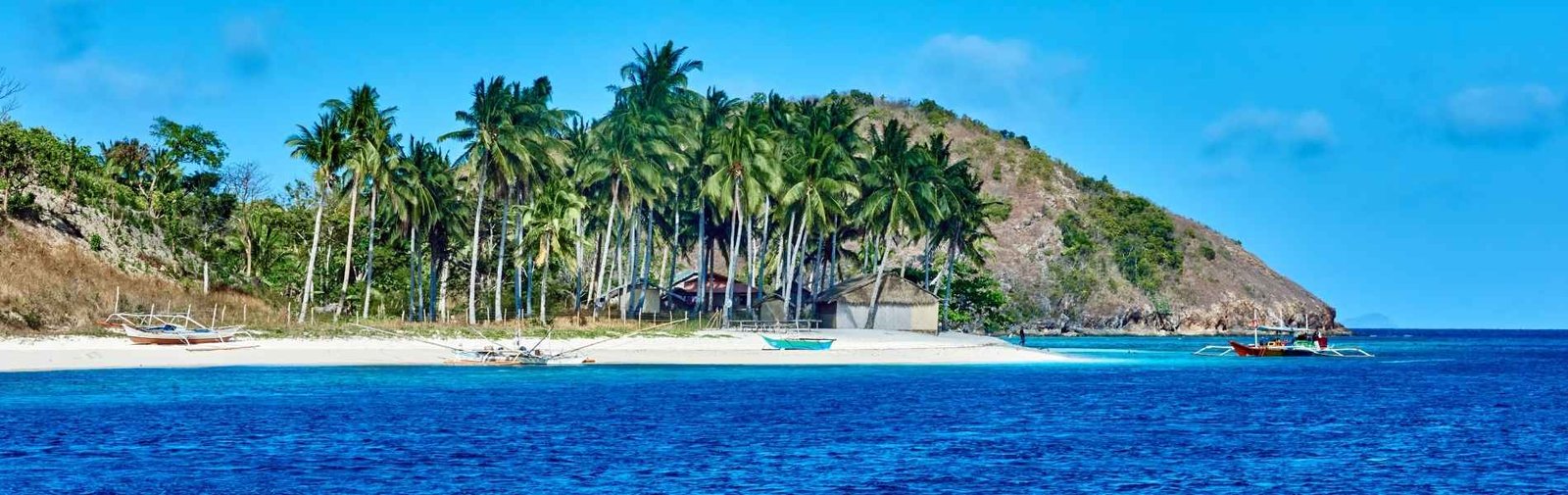
Recommended 15-Day Itinerary: Balabac ⇋ Puerto Princesa → San Vicente → El Nido → Coron
For travelers who want a well-paced, efficient, and immersive journey across Palawan, this south-to-north route offers the most logical and rewarding flow—especially for those planning to experience both Palawan’s remote southern islands and its iconic northern highlights.
The itinerary is designed to start in Puerto Princesa, travel south first to Balabac while energy levels are high, return briefly to Puerto Princesa for rest and recovery, then continue north through San Vicente (Long Beach and Port Barton) before culminating in El Nido. For travelers with additional time and appetite for adventure, the journey can be extended further to Coron via sea travel, famous for its World War II shipwrecks, dramatic limestone landscapes, and crystal-clear lakes.
This thoughtfully structured route minimizes backtracking, breaks long transfers into manageable segments, and balances bucket-list destinations with quieter coastal towns. The result is a true Palawan island-hopping and exploration experience—rich in nature, culture, and unspoiled scenery.
2-Week Palawan Extreme Excursion (Sample Itinerary)
For a seamless and stress-free experience, travelers are encouraged to coordinate with D’Palawan Travel and Tours. With local expertise and on-the-ground support, they can assist with itinerary planning, logistics, permits, transportation, and booking of major Palawan tours—allowing you to focus on enjoying the journey.
Day 1 – Arrival in Puerto Princesa + City Tour
- Arrival: Hotel check-in in Puerto Princesa is typically around 1:00 PM. Arriving before noon allows time to settle in comfortably.
- Afternoon: Enjoy a half-day city land tour (City Tour A or City Tour B), covering cultural, historical, and local landmarks that provide a solid introduction to Palawan.
Important Reminders: Keep the evening light to rest and prepare for early departures. Be sure to confirm your Balabac participation with D’Palawan Travel and Tours so early-morning hotel pickup and transport arrangements can be finalized.
Day 2 – Travel to Balabac + First Island-Hopping Experience
- Early Morning: Hotel pickup typically between 2:00–3:00 AM for the southbound journey.
- Daytime: Travel to Balabac and begin your first day of island hopping, exploring pristine sandbars, snorkeling reefs, and remote islands—subject to sea conditions and logistics.
Day 3 – Balabac Island Hopping
Spend a full second day island hopping in Balabac, focusing on the most scenic reefs, shallow lagoons, and powdery white sandbars. The remoteness of Balabac offers a rare chance to experience Palawan at its most untouched.
Responsible Travel Reminder: Use reef-safe sunscreen, avoid stepping on corals, respect marine life, and always pack out everything you bring in to help preserve Balabac’s fragile and pristine environment.
Day 4 – Return to Puerto Princesa + Recovery Time
- Morning: Travel back to Puerto Princesa.
- Afternoon: Rest, do laundry, reorganize luggage, and enjoy a slower city pace. This recovery buffer is essential before continuing north.
Optional Evening Activity: Join a Firefly Watching Boat Tour along the Iwahig Mangrove River. Tours often include a simple riverside dinner and offer a peaceful, nature-focused evening experience.
Fireflies are highly sensitive to habitat disruption and light pollution. Choose operators that follow low-light, low-noise practices and avoid flash photography to help protect this increasingly fragile ecosystem—an experience that may not be available to future generations. Current generations are believed to be the last to see fireflies in their natural environment.
Day 5 – Puerto Princesa Underground River Tour
- Day Tour: Visit the Puerto Princesa Subterranean River National Park, a UNESCO World Heritage Site and one of the New Seven Wonders of Nature.
- Evening: Explore Rizal Avenue Extension (Resto Lane), home to many local restaurants. Alternatively, join a Puerto Princesa Night Lights Tour featuring Viet Ville (dine on your own), the Musical Fountain Show, Watch Tower, Palawan Marker, and a relaxing stroll at Baywalk.
Day 6 – Travel to San Vicente (Long Beach) + Nature Exploration
- Morning: Travel north to San Vicente and arrive at Long Beach, the longest white-sand beach in the Philippines and the second longest in Southeast Asia.
- Afternoon Options:
- Relaxed coastal land tour with panoramic overlooking viewpoints generally regarded as intagrammable selfie spots
- Rent a bike and independently explore Long Beach from end to end, covering 4 coastal villages/barangays (Poblacion, New Agutaya, San isidro, and Alimanguan)
- Mangrove River Cruise with kayaking for a gentle eco-adventure
These activities are most convenient when staying in Long Beach areas such as Población, New Agutaya, San Isidro, Alimanguan, Kemdeng, and Sto. Niño.
Day 7 – Port Barton Island Hopping (From Poblacion Wharf)
Enjoy a full day of Port Barton Island Hopping (Tour A – Joiners), featuring relaxed snorkeling sites, small islands, and uncrowded beaches.
Port Barton is known for its slower pace and laid-back charm, making it ideal for travelers who want an “easy adventure” without the crowds. Island hopping typically departs from Poblacion Wharf.
Day 8 – San Vicente Hidden Gems Day
Use this flexible day to explore San Vicente more deeply:
- Option 1: Visit San Vicente’s coastal villages—each of its 10 barangays features its own long stretch of white-sand beach, earning the area its reputation as the Beach Village Capital of the Philippines.
- Option 2: Walk, jog, or simply relax along the 14.7-kilometer Long Beach, enjoying uninterrupted views and crowd-free serenity.
- Option 3: Join a Private Port Barton Island Hopping Tour B for more secluded and exclusive stops, also departing from Poblacion Wharf.
Day 9 – Travel to El Nido + Town Exploration
- Morning: Continue north to El Nido.
- Afternoon: Explore El Nido town by foot or bike, relax on nearby beaches, chase sunset viewpoints, or visit Nacpan Beach.
For convenience and accessibility, booking accommodations in Corong-Corong or El Nido Poblacion (Main Cove) is recommended.
Day 10 – El Nido Island Hopping: Lagoons, Limestone Cliffs & Hidden Beaches
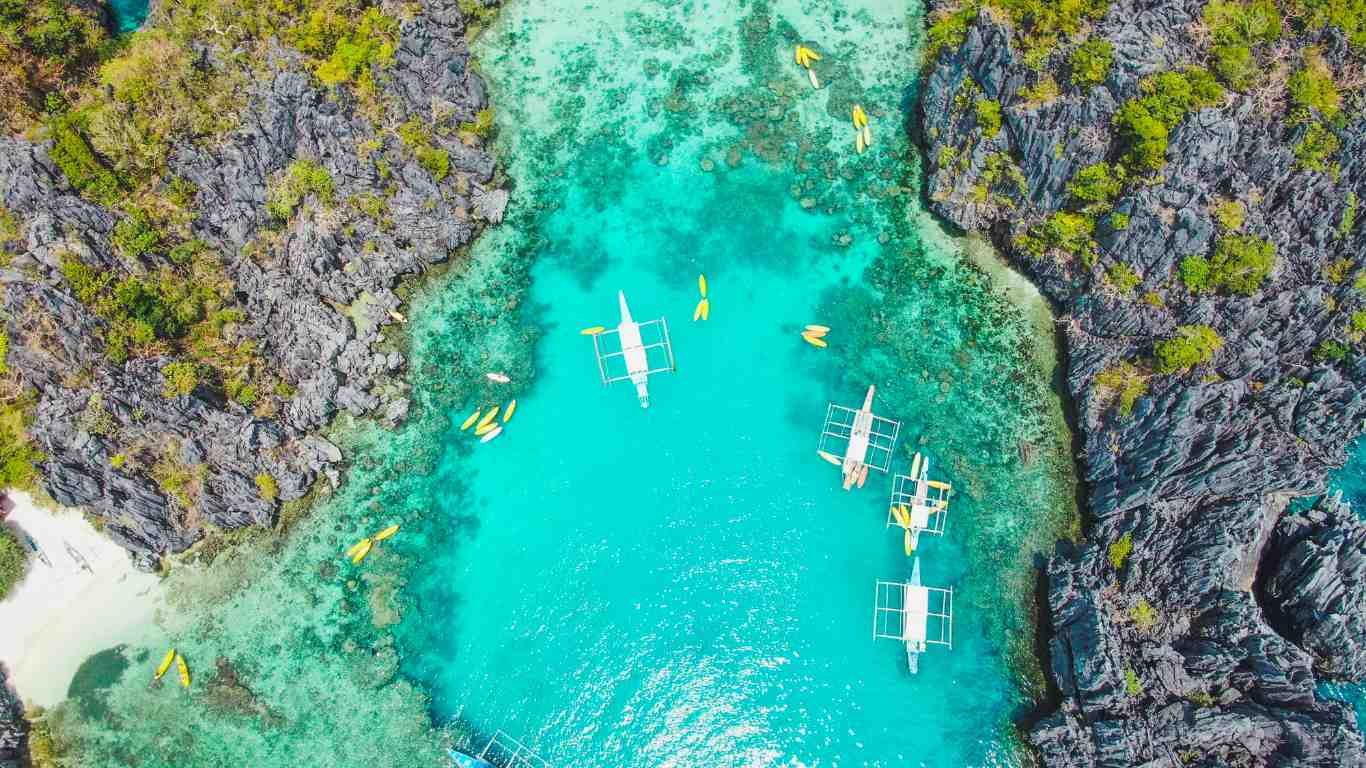
This day is dedicated to experiencing what has made El Nido world-famous—its dramatic limestone karst formations rising from emerald and turquoise waters. Island hopping tours typically explore the heart of Bacuit Bay, where calm lagoons, secret coves, and powdery beaches are tucked between towering cliffs.
Expect a mix of swimming, kayaking, and snorkeling as you move from one natural attraction to another. Lagoons offer tranquil paddling experiences with mirror-like water, while open snorkeling stops reveal colorful reef fish and coral gardens close to shore. Hidden beaches accessible only by swimming or climbing through narrow rock openings add a sense of adventure and discovery.
Travel tips: Wear water shoes for rocky entries, bring a dry bag for cameras and valuables, and pace yourself. Some lagoon entrances require short climbs or swims through shallow openings, which are manageable but easier when you’re well-rested and hydrated.
Day 11 – El Nido Island Hopping: Alternate Route & Deeper Exploration
A second island-hopping day allows you to explore a different route, ideally without repeating locations from the previous day. This ensures a broader view of El Nido’s coastline, with new lagoons, snorkeling sites, and beach stops that highlight different marine and geological features.
This is often the best day for travelers who enjoy snorkeling, as some routes feature wider reef areas with stronger coral growth and more diverse marine life. Calm weather conditions may also allow for longer swimming sessions and better underwater visibility—ideal for photography.
By late afternoon, return to town to unwind. Enjoy sunset views, light shopping, or a relaxed beachfront dinner before resting early in preparation for the next travel leg.
Day 12 – Sea Travel to Coron + Town Orientation
Today marks the transition from El Nido to Coron via sea travel, offering scenic views of Palawan’s open waters and remote islands along the way. This route is popular among travelers who want to experience the full north Palawan circuit without returning overland.
Upon arrival in Coron, the pace slows again. Use the afternoon to orient yourself—walk around town, visit local viewpoints, or simply relax after the journey. Coron town is compact and easy to explore on foot, while renting a bike is a convenient option for short scenic routes.
This lighter day helps you recover from travel and prepares you for Coron’s more activity-focused excursions in the days ahead.
Day 13 – Coron Island Hopping: Shipwrecks, Reefs & Limestone Lagoons
Coron’s island-hopping experience is distinct from El Nido’s. While El Nido is known for lagoons and beaches, Coron is internationally renowned for its World War II shipwrecks and dramatic underwater terrain.
Even for non-divers, many island-hopping itineraries include shallow wreck sites suitable for snorkeling, as well as coral gardens teeming with marine life. Above water, expect towering limestone cliffs, clear lagoons, and secluded beach stops that feel raw and cinematic.
Swimming conditions can vary throughout the day, so guides typically plan stops strategically based on tides and water clarity. By late afternoon, return to town with time to relax and enjoy a quiet evening.
Day 14 – Calauit Safari Park Day Trip
After days of marine-focused activities, this day offers a refreshing change of scenery. Travel to Calauit Safari Park, a wildlife sanctuary known for its wide-open landscapes and free-roaming animals.
The experience contrasts sharply with Palawan’s beaches and reefs, providing opportunities for wildlife viewing, open spaces, and photography. The journey itself showcases rural Palawan, adding cultural and geographic context to your trip.
Return to Coron in the late afternoon or evening for your final night in Palawan.
Day 15 – Exit Palawan
After breakfast, prepare for departure. Depending on your flight schedule, enjoy a final short walk, coffee stop, or viewpoint visit before transferring to your departure point.
This concludes a comprehensive 15-day Palawan extreme excursion—a journey that balances adventure, recovery, remote exploration, and iconic highlights from the southernmost islands of Balabac to the legendary waters of Coron.
Palawan Philippines’ Crown Jewel
Palawan is one of the most defining destinations in the Philippines for travelers who dream about limestone cliffs, turquoise lagoons, and long, quiet beaches. It’s also a province where many of the most famous places are protected—by national park status, protected area rules, and local stewardship—so the best Palawan trip is the one that blends adventure with respect for the environment and community. This travel guide covers the essentials and the deeper context for planning a Palawan itinerary focused on San Vicente, Puerto Princesa, Coron, El Nido, Balabac, and Linapacan, with practical travel tips and a focus on experiences rather than prices or fixed schedules.
At first glance, Palawan looks simple on a map: a long province with a “north” and a “south,” and a capital city in between. In reality, Palawan feels like a chain of distinct worlds. Northern Palawan leans into the iconic island-hopping fantasy—karst towers rising from calm bays, lagoons that glow in the sun, and beaches that seem designed for postcards. The central corridor is where you’ll often find a gentler pace, especially if you base yourself in quieter coastal areas. Southern Palawan becomes more remote, more logistical, and often more rewarding for travelers who value solitude and “off the beaten path” exploration. Understanding these differences is the single best way to make your Palawan itinerary feel intentional instead of rushed.
Why Palawan is worth planning carefully: Palawan is a UNESCO-recognized biosphere reserve that includes the entire province, which is another way of saying: the ecosystems here matter globally, not just aesthetically. Travelers often come for beaches in Palawan and stay for the layers—mangroves, reefs, karst forests, and living cultures that have long depended on coastal resources. When you plan responsibly, you’ll not only have a smoother trip; you’ll also help keep Palawan’s most famous “things to do” viable for the future.
Best time to visit Palawan: If you want the classic conditions for island hopping in Palawan—calmer seas, clearer skies, more reliable visibility for snorkeling and diving—most travelers aim for the Philippine dry season (commonly December through May). PAGASA generally frames the national pattern as a rainy season from June to November and a dry season from December to May, with a cooler dry period (often December to February) and a hotter dry period (often March to May). Even in good months, weather and sea state can change quickly, especially on open-water routes, so the best travel plans always leave room for flexibility.
How to get to Palawan (and why gateways matter): Many visitors enter Palawan through Puerto Princesa, the provincial capital and a common hub for flights and overland transfers. From there, travelers often move north toward San Vicente and El Nido by road, or connect to Coron by air or sea depending on practical availability and conditions. It’s tempting to treat travel days as “lost days,” but in Palawan they’re part of the rhythm. A smart Palawan itinerary accepts transit as a feature: a chance to reset between ambitious boat days, to eat well, and to see the quieter edges of the province.
Getting around Palawan: Think in categories rather than details. Overland routes are typically served by shared vans and private transfers; towns rely on local tricycles for short distances; and the water-based attractions are accessed by boats that function like floating day tours. If you dream about remote islands, multi-day expeditions between El Nido and Coron commonly pass through quieter island groups and can include time in or around Linapacan. If you prefer a steadier, land-based plan, choose two main bases and do day trips from each.
Where to stay in Palawan (planning logic, not a hotel list): “Where to stay in Palawan” is best answered by matching your base to your priority experiences. Puerto Princesa works brilliantly as a gateway and for the Underground River. San Vicente is ideal for long, quiet beach days and a softer version of coastal life. El Nido is the headline for lagoons and classic island hopping. Coron is the hub for lakes and wreck diving. Linapacan is a quiet interlude for travelers who want the in-between islands without the crowds. Balabac is for true remote travel—sandbars, shallow seas, and a sense of distance from everything.
What to pack (the “water-first” approach): Pack as if you’ll be wet every day—because you probably will. A dry bag is essential for phones, cameras, and passports. Water shoes or sturdy sandals matter in Palawan’s limestone-and-coral environments. Quick-dry clothing will keep you comfortable. For snorkeling in Palawan, bring your own mask if fit matters to you. And for eco-tourism: bring a reusable bottle and a small reusable bag; on islands, trash management can be limited, and the most responsible travelers reduce their footprint by default.
Things to do in Palawan (big picture): The classic Palawan trip is built around water: island hopping, lagoons, reefs, and beaches. But the most satisfying itineraries add land-based texture: a cave river day, a mangrove or wildlife stop, a long beach walk at sunrise, or a cultural context day that helps you understand whose home you’re visiting. Palawan is best when you blend highlights with breathing room.
El Nido Island Hopping
El Nido is often the centerpiece of “things to do in Palawan” lists for one reason: it provides the archetypal mix of limestone cliffs, lagoons, and small beaches that define the northern Palawan image. Official tourism material frames El Nido as the gateway to a Bacuit archipelago of many islands and islets, and it emphasizes the signature Tour A/B/C/D structure that most travelers encounter when planning island-hopping days. The system is useful because it helps visitors choose a style of day without needing to understand every island name in advance.
How to plan El Nido boat days without burning out: The biggest mistake in El Nido is trying to do everything at once. Instead, decide which “type” of experience matters most. If your priority is lagoons and kayaking, choose a lagoon-forward day. If you want hidden beaches and snorkeling variety, choose that style. Then schedule a recovery day on land: a beach afternoon, a slower meal, and a sunset that doesn’t involve a boat schedule. This is how you make El Nido feel luxurious even on a modest budget—by protecting your time and your energy.
Mainland beach time (often overlooked): Many travelers treat El Nido as a purely boat-based destination, but the mainland offers an important balance. A long beach day (for example at Nacpan, which is commonly highlighted in official tourism summaries as a standout shoreline) gives your body a break from constant salt and sun exposure. It also rounds out your Palawan travel guide experience: lagoons are spectacular, but the quiet of a long shoreline can be the moment you remember most.
Coron Island Hopping, Shipwrecks & Calauit Safari
Coron is often described as Palawan’s “other half” to El Nido: still limestone, still sea, but with a different mood. Coron’s landscape leans rugged and dramatic—karst cliffs, protected bays, and lakes tucked into steep terrain. Official tourism content emphasizes that Coron is also a world-class destination for WWII shipwreck diving, framing the wrecks as a kind of underwater museum shaped by time and marine growth. Major travel publications similarly note the presence of Japanese WWII vessels sunk in 1944 as part of Coron’s attraction set.
Signature water stops: Most visitors put Kayangan Lake high on the list because the viewpoint above it is one of Coron’s most iconic visual signatures. It’s often described as exceptionally clear, and the experience is as much about the surrounding limestone walls as it is about the swim itself. Twin Lagoon and Barracuda Lake are commonly paired for variety—different water colors, different rock formations, and a sense of moving through “rooms” of nature.
Wreck diving (and how to approach it responsibly): If “diving in Palawan” is your main keyword—meaning your main passion—Coron is the destination that earns the spotlight. But wrecks are not theme parks. They are historical sites and living marine structures. Treat them with the same respect you’d give any protected place: do not touch, do not take, and do not treat fragile areas as props for photos. If you are newly certified, be honest about your comfort level. Choose operators and guides who emphasize safety and conservation, not bravado. For non-divers, Coron still delivers: many visitors build a full itinerary around lakes, lagoons, beaches, and viewpoints without ever putting on a tank.
Local stewardship and cultural respect: UNESCO’s tentative listing for Coron Island Natural Biotic Area explicitly notes Indigenous Cultural Communities and ancestral domain recognition tied to the Tagbanua, and it describes lakes and lagoons within a context of cultural and ecological value. For travelers, this means the best “cultural tip” is practical: follow local rules, listen to briefings, ask before photographing people, and remember that you are visiting a lived landscape, not an empty stage set.
Puerto Princesa Underground River, Firefly Watching, City Tour
Puerto Princesa is often treated as a transit point, but it’s better understood as your “planning base” and a destination with its own identity. The city is the jumping-off point for the Puerto-Princesa Subterranean River National Park, a UNESCO World Heritage Site known for its limestone karst landscape and an underground river that flows directly to the sea. UNESCO notes the brackish, tide-influenced lower section as part of what makes the site globally distinctive. In other words, this is not merely a cave you visit; it’s a living system shaped by geology, sea movement, and biodiversity.
The Underground River experience (fact-checked clarity): Many summaries casually call the entire river “navigable,” but the official site distinguishes the total underground river length (about 8.2 km) from the commonly navigable section (about 4.3 km). For travelers, the practical takeaway is simple: you’ll experience a guided boat route into a large cave environment where rock formations, chamber scale, and the feeling of moving under stone become the main event. Because the site is protected and heavily visited, it is typically managed with visitor controls, so build it into your Palawan itinerary early and plan like a responsible traveler.
City and conservation context: Puerto Princesa is also where you can add “meaningful half days” that don’t require long travel. The City Tourism map highlights a mix of nature and heritage stops that help you understand Palawan beyond beaches—such as butterfly and nature exhibits, waterfront areas, and historical sites. If you want a conservation-oriented experience, the Palawan Wildlife Rescue and Conservation Center (often known as the Crocodile Farm) is managed under DENR-PENRO Palawan and is structured around wildlife awareness, rescue, and education rather than pure entertainment. Keep expectations realistic: it’s not a safari; it’s a context stop that complements your reef and island days.
San Vicente’s Long Beach & Port Barton: Island Hopping & Selfie Tour
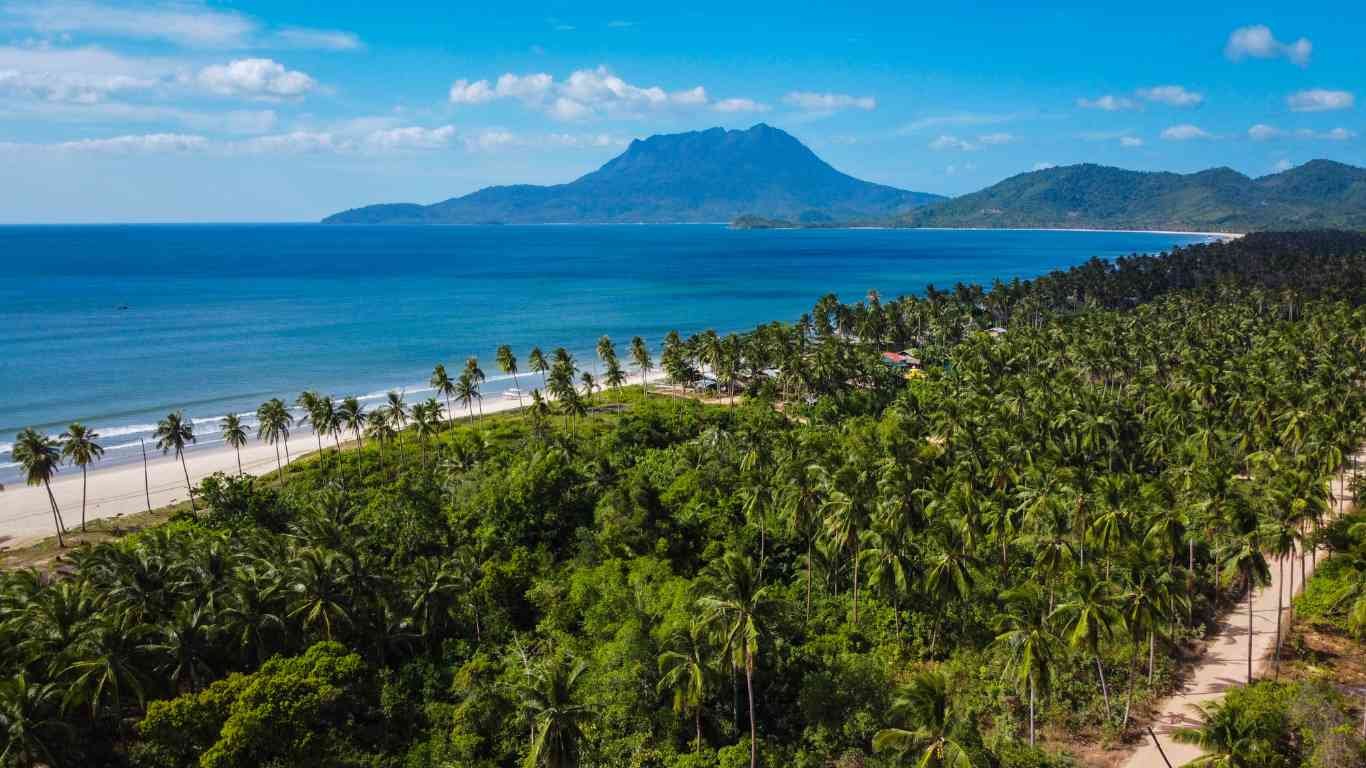
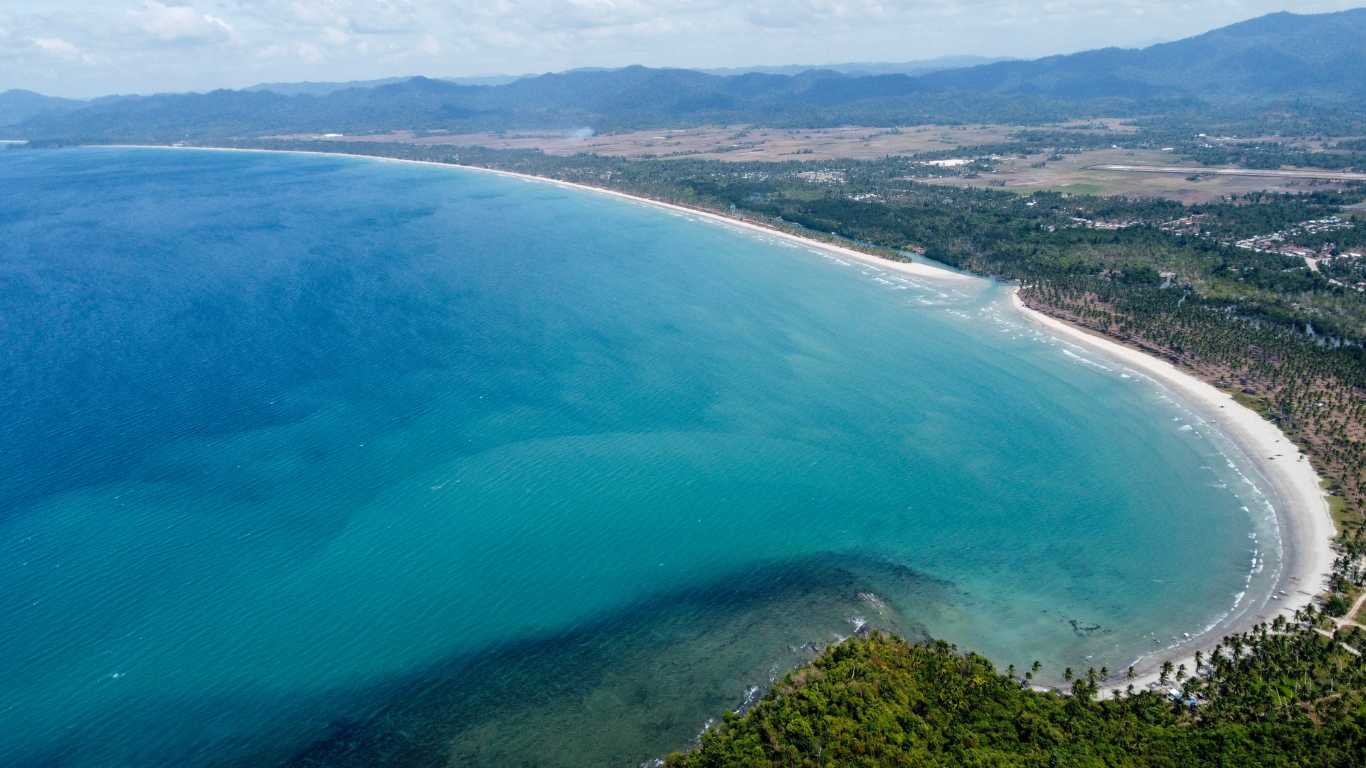
San Vicente is one of Palawan’s best answers to travelers searching “hidden gems in Palawan,” especially if what you mean is: less crowded, more spacious, and slower. The area’s signature is Long Beach—described by TIEZA as an approximately 14.7 km unbroken stretch of white sand. Long beaches do something that short beaches can’t: they change your sense of time. Morning walks become rituals, sunsets feel like private events, and the shoreline is big enough that you can always find your own patch of quiet.
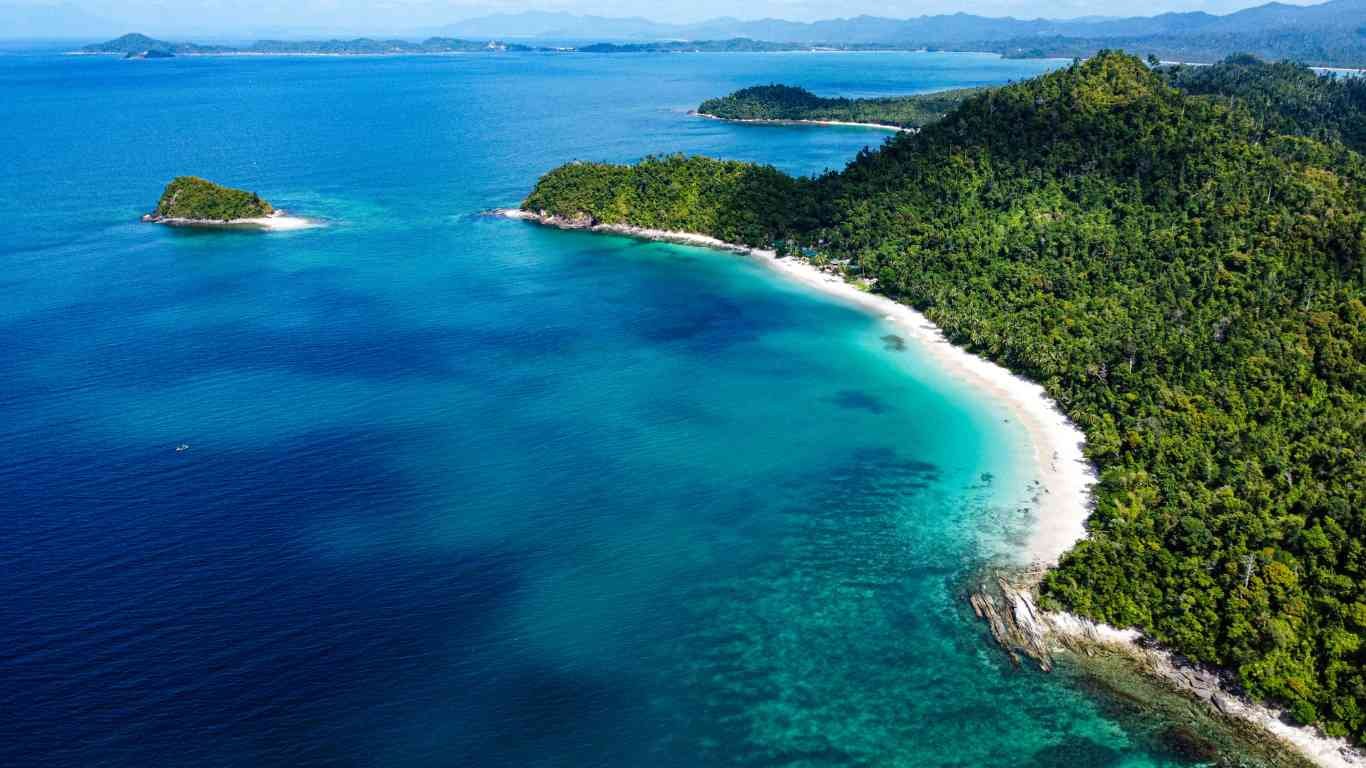
Don’t miss the chance to swim with turtles on an island-hopping tour, or capture stunning shots at Instagrammable selfie spots overlooking the ocean—complete with sweeping views of the coastline, pristine beaches, and lush green mountains as your backdrop.
Long Beach travel guide notes: The most satisfying way to experience Long Beach is simple. Wake early, walk with a coffee or water bottle, and watch the light shift over water. Later, return in late afternoon for a long swim and a calmer sunset than you’ll often find in busier hubs. If you are building a family-friendly Palawan itinerary, San Vicente is one of the easiest places to add restorative downtime without sacrificing “must-see” potential.
Port Barton: Port Barton is associated with a quieter coastal experience and is often chosen by travelers who want island hopping in Palawan without the intensity of the biggest hubs. Think: simpler boat days, small-island stops, time to float and snorkel without feeling rushed, and evenings that end earlier because the vibe is calm. For many itineraries, Port Barton works as a “palate cleanser” between Puerto Princesa’s land-based planning and El Nido’s high-demand lagoon circuits.
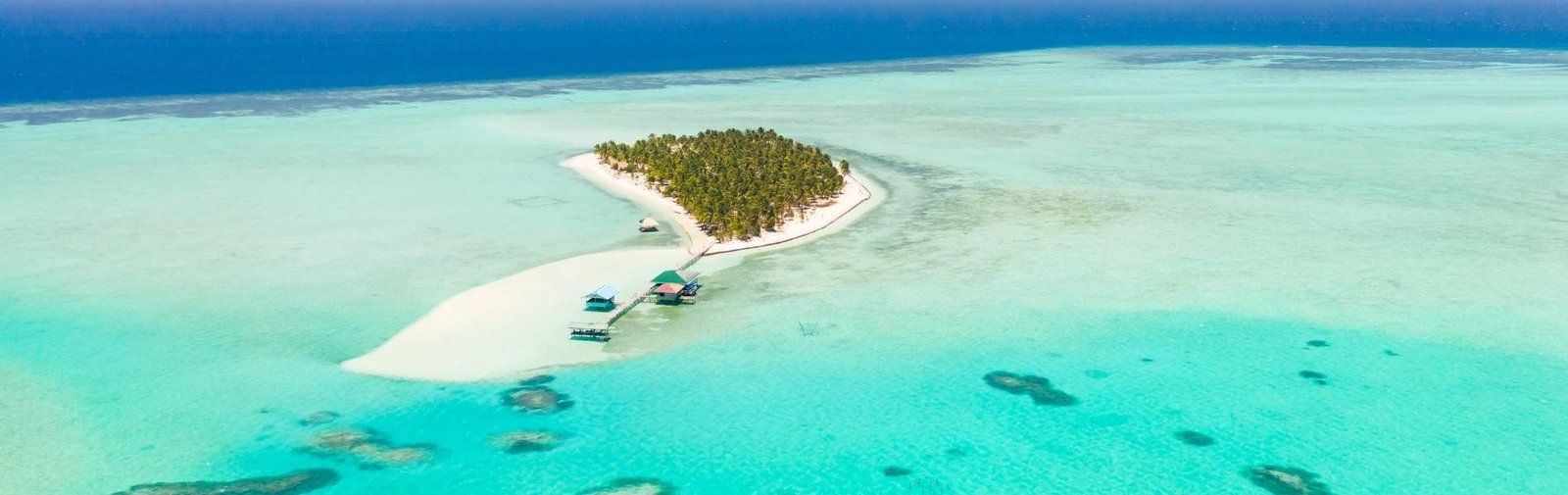
Balabac Island Hopping & Tour Packages, With onok Island Overnight
Balabac sits in the far southwest of the Philippines, associated with remote-island scenery and the kind of shallow-water blues that look unreal in photos. Britannica places Balabac in the extreme southwestern Philippines and geographically close to the southern tip of Palawan, which reinforces what travelers feel on the ground: you are far away from the mainstream hubs. This remoteness is Balabac’s main charm and its main planning challenge.
Balabac island hopping highlights (verified naming): The Provincial Government of Palawan’s tourism page for Balabac lists many commonly referenced attractions, including Onuk Island, Candaraman Island, Punta Sebaring, Pandanan Islands, mangrove forest areas, and additional islands and sites. Rather than trying to “collect” every name, the better way to plan is by experience style. Do you want sandbars and shallow wading? Do you want longer beach stops? Do you want more snorkeling time? Balabac can deliver all of the above, but your experience is shaped by sea conditions and travel time, so leave buffer days and approach the trip with expedition expectations rather than resort expectations.
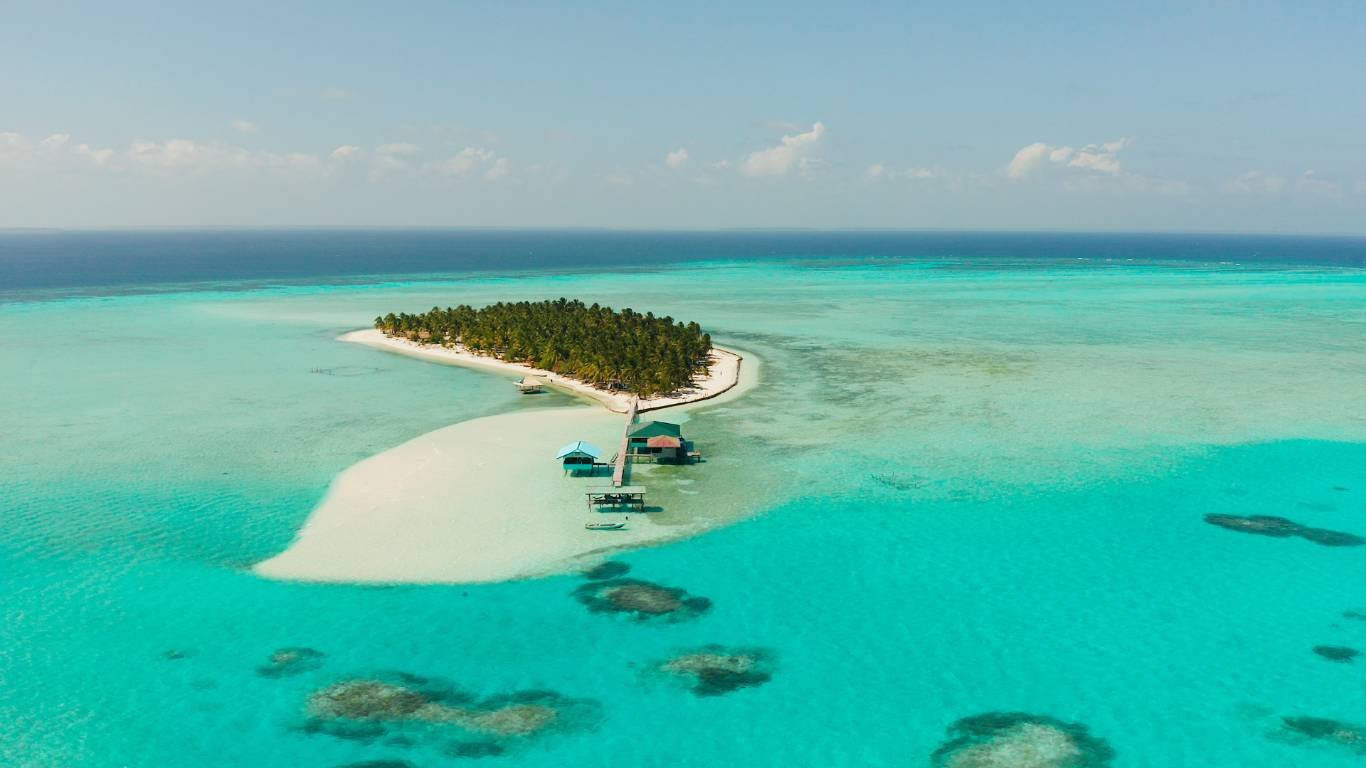
Beyond these highlights, Balabac is made up of more than 30 islands, each with its own character. Onok Island is the crown jewel—famous for its vast sandbar, shallow turquoise waters, coral reefs, giant clams, and the chance to swim alongside wild sea turtles. Candaraman Island is known for its long sandbar and excellent snorkeling, while Punta Sebaring offers powdery white sand and calm waters ideal for swimming. Pandanan Island is often praised for its wide beaches and clear shallows, while smaller islands like Bugsuk, Bancalan, and Ramos add to the diversity of stops, ranging from mangrove forests to secluded coves. Together, these islands form a mosaic of experiences: sandbar strolls, turtle encounters, coral reef snorkeling, and endless ocean views.
Balabac’s attractions are not just about beaches—they include mangrove ecosystems, vibrant reefs, and wildlife encounters that make the area a living sanctuary. The remoteness means fewer crowds and a raw, expedition-style adventure, but it also requires careful planning and respect for the fragile environment. For travelers willing to embrace the journey, Balabac offers one of the most pristine island-hopping experiences in the Philippines.
Linapacan Stunning Beaches
Linapacan appeals to travelers searching for “off the beaten path Palawan” in the most literal way: it sits outside the busy mainstream, and it tends to appear as part of multi-day routes rather than quick day trips. The Provincial Government of Palawan’s tourism guide lists attractions such as Eli Caves, the Caseledan Spanish Fort, Señora Cave, and many islands and beaches. But Linapacan’s deepest value is experiential. It offers a different kind of luxury: fewer crowds, simpler routines, and time in places where the day’s biggest events might be a calm snorkel, a quiet beach, and a night sky that feels unusually bright.
How to enjoy Linapacan without overplanning: Linapacan is not the place to chase a rigid checklist. Instead, plan around conditions: choose the best snorkel windows when the sea is calm, keep afternoons flexible, and treat local meals and simple island life as part of the destination—not a gap between “real” attractions. If you want a travel guide rule: in Linapacan, underplanning is often the best plan.
Island Hopping Tours
Discover the mesmerizing world of island hopping with D’Palawan Travel and Tours, offering an immersive experience in El Nido and Coron. These tours present an unparalleled opportunity to explore the stunning archipelago of Palawan, where crystal-clear waters and vibrant marine life await travelers. El Nido’s island hopping tours typically include visits to enchanting locations such as Bacuit Bay, with its towering limestone cliffs and emerald waters, the Small and Big Lagoons, and Seven Commandos Beach. Each stop unveils a new facet of El Nido’s breathtaking scenery, making it a must-visit for nature enthusiasts.
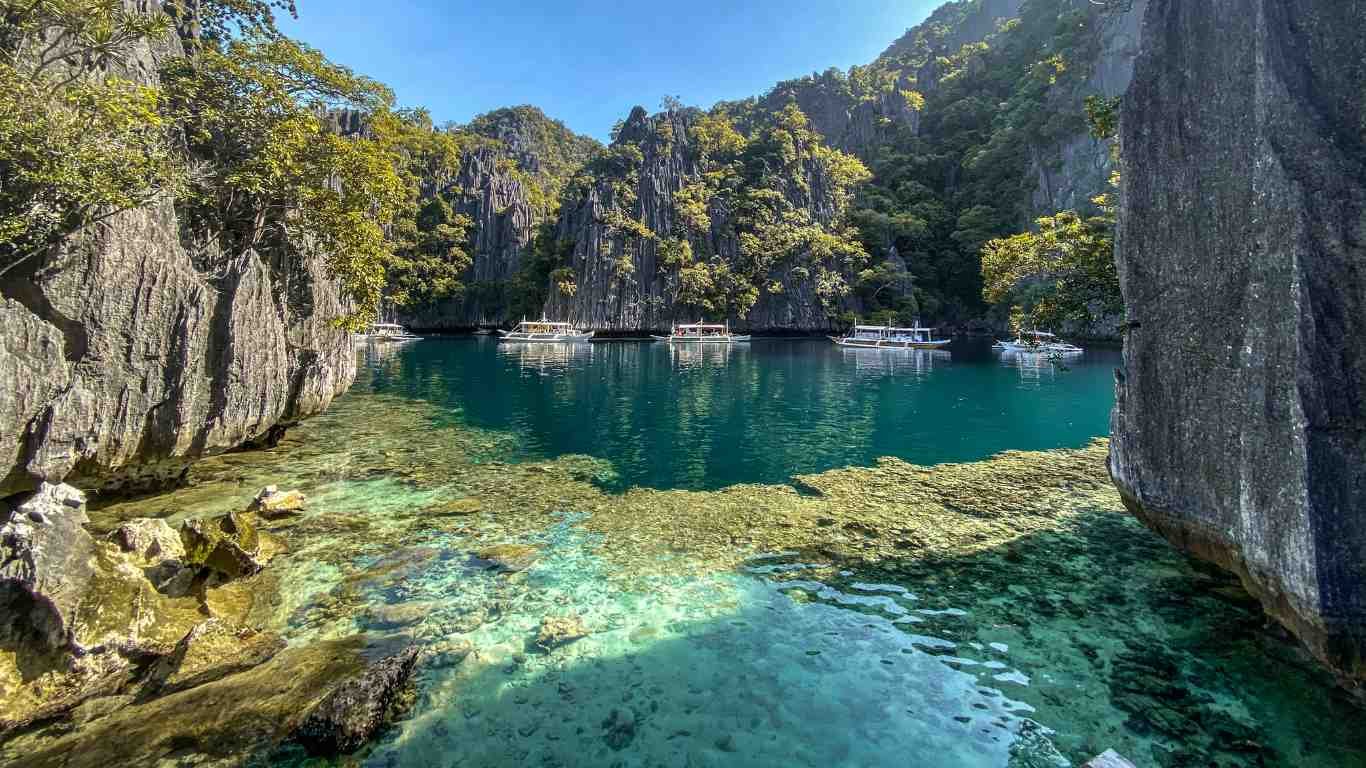
In Coron, the island hopping tours are equally enthralling and often include destinations like Kayangan Lake, which is renowned as one of the cleanest lakes in Asia, and Twin Lagoon, where the interaction of warm and cold water creates a surreal swimming experience. Among the popular stops are the Skeleton Wreck for those inclined towards underwater adventures, and Malcapuya Island, perfect for pristine beaches and sunbathing.
The highlight of these island hopping tours is the assortment of activities designed to cater to a wide range of interests. Whether it’s snorkeling amidst colorful coral reefs, swimming in crystal-clear waters, or exploring hidden beaches and secret lagoons, guests are guaranteed a memorable experience. For avid snorkelers, these tours provide a chance to witness Palawan’s rich marine biodiversity up close, encountering various species of tropical fish and vibrant coral formations. Beach lovers will relish the tranquil, powdery sands that define Palawan’s coastlines, offering a serene escape from the hustle and bustle of everyday life.
D’Palawan Travel and Tours ensures that all island hopping adventures are not only enjoyable but also eco-conscious, promoting sustainable tourism practices. By showcasing Palawan’s natural beauty and marine biodiversity, these tours provide a holistic platform for travelers to appreciate and engage with the environment, all while creating lasting memories in one of the world’s most beautiful locales.
Puerto Princesa Underground River Tour
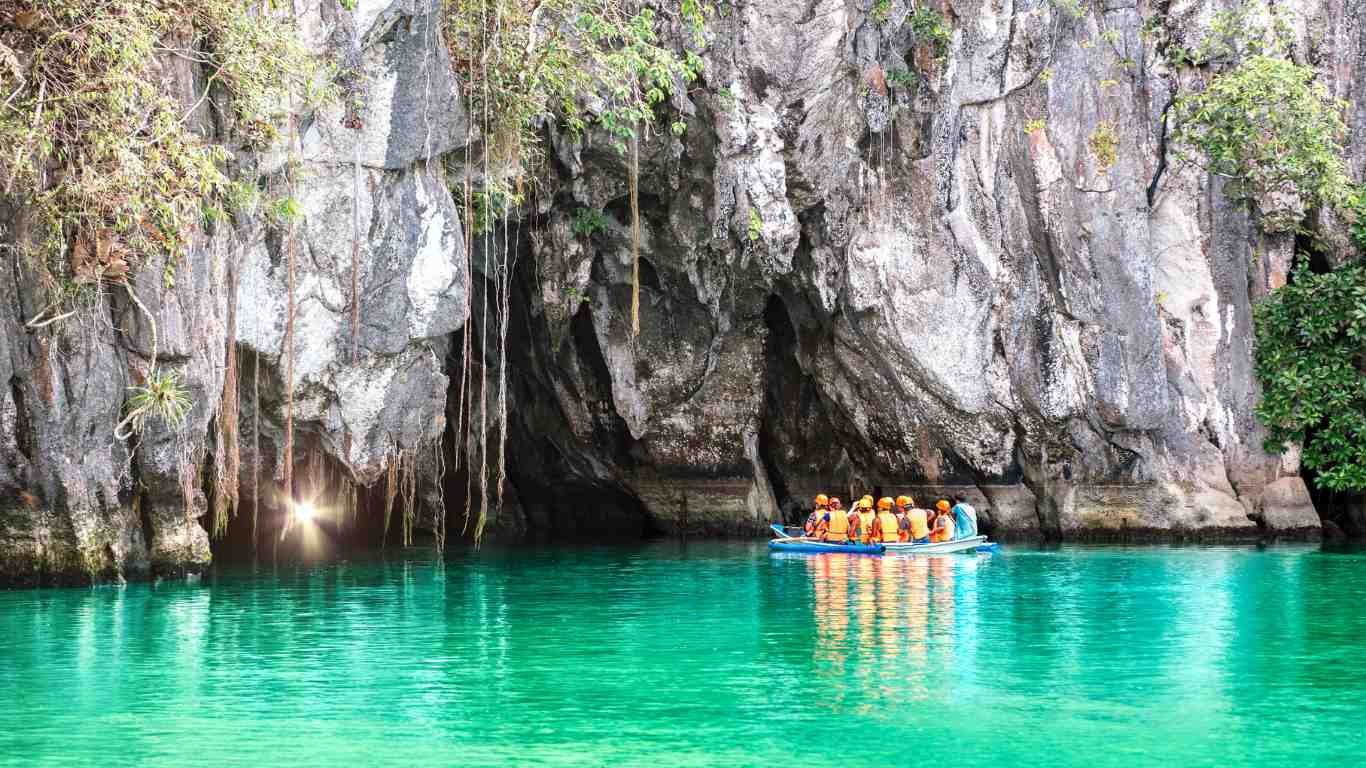
The Puerto Princesa Underground River Tour, offered by D’Palawan Travel and Tours, stands as one of the most sought-after experiences in Palawan. As a UNESCO World Heritage Site, the Underground River is a marvel of natural wonder and environmental significance. Its recognition as one of the New Seven Wonders of Nature underscores its extraordinary ecological and geological features, making it an unmissable highlight for visitors.
This tour is highly regulated to ensure the preservation of its pristine ecological environment. Only a limited number of visitors are allowed daily, maintaining the protected status of this delicate natural habitat. Tourists embarking on this adventure can anticipate an enchanting journey through an intricate system of caves and subterranean rivers that extends over 8 kilometers long. The unique underground ecosystem supports a variety of wildlife, including bats, swallows, and various species of fish, all coexisting within this dark, mystical realm.
Guided tours typically start with a scenic boat ride to the entrance of the underground river, situated in the heart of St. Paul Mountain Range. As you navigate through the tranquil waters, the intricate formations of stalactites and stalagmites come into view, creating an awe-inspiring panorama of natural art. In the cavernous expanse, witness the dramatic dance of light and shadows casting on the limestone walls, revealing shapes and structures resembling mythical creatures and religious icons.
Along this ethereal voyage, tourists can learn about the critical role the subterranean river plays in the regional ecosystem. The informative guides share insights on how the cave system influences local flora and fauna, as well as the historical significance of the site. The delicate balance of this ecosystem highlights the importance of sustainability and responsible tourism in Palawan.
The Puerto Princesa Underground River Tour offers a rare glimpse into one of the Earth’s hidden wonders, promising an unforgettable experience that juxtaposes tranquility and adventure. Whether you’re awed by its geological grandeur or fascinated by its ecological significance, this tour provides a profound appreciation of nature’s ingenuity and the importance of its conservation.
Other Transport Services: Van Transfers, Car and Boat Rentals
D’Palawan Travel and Tours goes beyond typical tour packages to ensure every guest experiences convenience and flexibility during their stay. Among the additional transport services offered are van transfers, car rentals, and boat rentals, each designed to cater to various travel needs and preferences.
Van transfers provide a seamless way to travel across the island, from bustling spots like Puerto Princesa to tranquil escapes in San Vicente and Balabac. These transfers are particularly popular for routes heading to El Nido and Port Barton, allowing travelers to relax and enjoy the scenic drive. The service ensures safety, cleanliness, and punctuality, making it an ideal choice for families, groups, or solo travelers seeking hassle-free transport.
Car rental services afford guests the flexibility to explore Palawan at their own pace. Whether you’re gearing up for a thorough city tour of Puerto Princesa or planning an impromptu island hopping adventure, having a reliable vehicle at your disposal provides ultimate freedom. D’Palawan Travel and Tours fleet consists of well-maintained cars, ready to take you through both well-trodden paths and off-the-beaten tracks alike. With a rental car, you can set your own itinerary without conforming to preset schedules.
Moreover, boat rentals open the door to tailored experiences, whether you’re aiming for a comprehensive island hopping excursion or a private voyage to the secluded areas of Coron. The availability of boat charter services ensures that visitors can explore hidden gems and pristine waters comfortably. Knowledgeable local boatmen further enrich this experience by guiding you through the must-see spots and local secrets.
In every aspect, D’Palawan Travel and Tours is dedicated to enhancing your travel experience by providing reliable, convenient, and flexible transport options. These additional services play a crucial role in ensuring your journey through Palawan is as seamless and enjoyable as possible.
Travel Planning and Recommendations
D’Palawan Travel and Tours offers much more than mere booking services; it extends comprehensive travel planning assistance to ensure that visitors have an enriched and memorable experience in Palawan. With its deep local expertise, D’Palawan Travel and Tours provides personalized itineraries that cater to diverse interests, whether you are looking to explore the lush landscapes of El Nido, the serene ambiance of San Vicente, or the vibrant marine life in Coron.
Among the most coveted activities are island hopping excursions, which showcase the stunning archipelago and crystal-clear waters that make Palawan famous. You can embark on an underground river tour in Puerto Princesa, a UNESCO World Heritage site, for an adventure into one of the world’s longest navigable underground rivers. During these tours, D’Palawan Travel and Tours provides invaluable tips to ensure you make the most of these unique experiences.
To complement the natural beauty, D’Palawan Travel and Tours offers recommendations for indulging in the local cuisine. From savoring fresh seafood delicacies in Port Barton to sampling traditional dishes in the lively city of Puerto Princesa, tourists are guided to the best dining spots where they can immerse in the diverse flavors of Palawan.
Travelers also benefit from practical advice on optimizing their travel routes, including efficient van transfers and reliable car for rent services. This assistance ensures that tourists can seamlessly transition between attractions, maximizing their time exploring this paradise island.
Harnessing the expertise of local guides enriches the travel experience, as D’Palawan Travel and Tours provides insights into cultural landmarks, historical sites, and hidden gems that might be overlooked by the uninitiated. With their meticulous planning and thoughtful recommendations, visitors can confidently look forward to an unforgettable journey through Palawan’s stunning landscapes and vibrant communities.
How to Book Your Dream Tour
Booking your dream vacation with D’Palawan Travel and Tours is a seamless and user-friendly experience, designed to ensure ease at every step. Whether you’re planning to explore the enchanting beaches of El Nido, immerse yourself in San Vicente’s tranquil beauty, or embark on an underground river tour in Puerto Princesa, our website simplifies the entire process.
To start, visit the D’Palawan Travel and Tours homepage. Here, you’ll be greeted by a comprehensive overview of our offerings, including island hopping adventures, city tours, and specialized van transfers. Navigate through various sections to explore the diverse destinations such as Coron, Balabac, and Port Barton, each promising unique experiences.
Once you have browsed through the available tours and services, simply click on the “Book Now” button associated with your desired tour. This will direct you to a detailed page where you can view all the essential information, including itineraries, pricing, and what to expect. To proceed with your booking, select your preferred dates from the calendar and indicate the number of travelers.
The next step involves filling in your personal details to confirm the reservation. Ensure that your contact information is accurate to receive timely updates. If you have any special requests, such as a private city tour or specific car rental needs, there is an option to include these preferences during the booking process.
After reviewing your selections and checking the total cost, proceed to the secure payment gateway to finalize the transaction. D’Palawan Travel and Tours accepts various payment methods for your convenience. Upon successful payment, a confirmation email will be sent to you with all the necessary details for your upcoming adventure.
For those who prefer personalized assistance or have additional questions, our customer support team is readily available. You can reach us through the contact information provided on our website, ensuring that every aspect of your travel needs is promptly addressed.
By choosing D’Palawan Travel and Tours, you are one step closer to creating unforgettable memories in the paradisiacal landscapes of Palawan. Our dedicated team is here to help you craft the perfect itinerary, ensuring a memorable and stress-free travel experience.
Local Experiences that Make Palawan Feel Real
It’s easy for Palawan content to become repetitive online—“turquoise water, white sand, limestone cliffs.” Those are real, but the best Palawan travel guide moments are often more human and specific:
- Sunrise beach walks in San Vicente, where the shoreline is long enough to feel like your own quiet world.
- Simple island lunches during boat days—freshly cooked, shared, and remembered long after the photos fade.
- Conversations with boat crews and guides, who often know the sea like a living calendar and can explain why certain places are protected or sacred.
- Unplanned stillness—a calm cove in Linapacan, or a slow swim in Coron—where you stop “doing” and start absorbing.
Culture and Context
Palawan is not only biodiverse; it is culturally diverse. UNESCO’s biosphere reserve profile notes multiple Indigenous Peoples in the province, including Tagbanua, Palaw’an, and Batak, as well as many ethnolinguistic groups. In practical terms, respectful travel means: asking before photographing, dressing appropriately in town settings, behaving thoughtfully in community areas, and taking park rules seriously. If a guide tells you a place has cultural significance, treat that as part of the destination’s meaning, not as a footnote.
Responsible travel tips
- Reef protection: Don’t touch coral. Don’t stand on reef flats. Keep your fins up and your body horizontal when snorkeling.
- Wildlife distance: Enjoy turtles and other marine life from a respectful distance. Never chase, block, or feed wildlife.
- Plastic reduction: Bring a reusable bottle and a small reusable bag. If you bring snacks, pack out wrappers.
- Leave no trace: Don’t collect shells, coral pieces, or sand. Leave nature where it belongs.
- Choose ethical operators: When possible, select accredited or community-based operators and guides who actively explain safety and conservation.
Travel tips that prevent common mistakes
- Put boat days early in your itinerary when possible. If weather disrupts plans, you still have chances later.
- Don’t overschedule; Palawan is distance-heavy, and fatigue makes even beautiful places feel stressful.
- Waterproof your essentials (phone, cash, documents). Boats splash; that’s normal.
- Stay flexible; the same sea that makes Palawan spectacular also creates occasional delays.
- Respect protected areas; quotas, permits, and rules are part of conservation, not inconvenience.
The best Palawan travel guide isn’t a list of “how many spots you covered.” It’s a plan that matches your pace. If you want limestone-and-lagoon fantasy, prioritize El Nido. If you want lakes, cliffs, and wreck diving, prioritize Coron. If you want long beach calm, prioritize San Vicente and Port Barton. If you want remote island quiet, prioritize Linapacan. If you want expedition-grade sandbars and southern seascapes, prioritize Balabac. Give yourself time to slow down, and Palawan will feel less like a destination you “did” and more like a place you truly experienced.
